Luxury spa design in Baja California Mexico requires a very specific intelligence. It is not the same logic used in the Riviera Maya, in Mexico City, or in a conventional beach resort.
Baja California has its own rules.
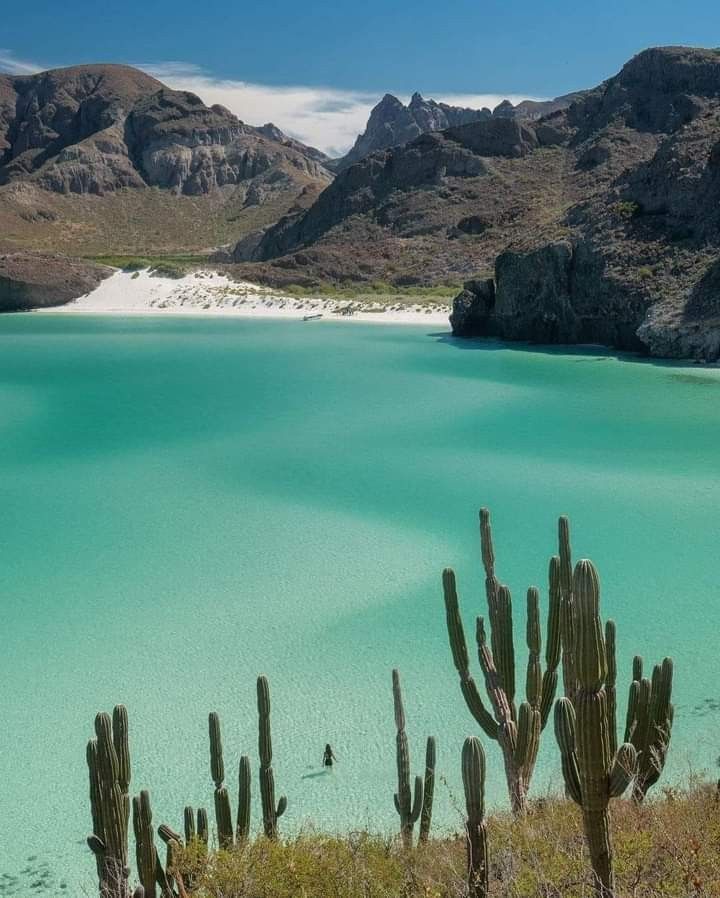
The East Cape, the Sea of Cortez coastline, and the stretch of coast running north toward La Paz demand a spa experience that feels connected to the desert, the sea, the light, and the silence of the landscape.
For developers, architects, hotel brands, and design consultants, this matters. A spa in this region cannot feel generic. It must be technically resilient, emotionally memorable, and deeply connected to place.
Mexico continues to be one of Latin America’s most active luxury hospitality markets. Within that context, Baja California and the Sea of Cortez are becoming key territories for ultra-low-density resorts, branded residences, and desert wellness resort Mexico concepts.
The new generation of luxury resorts in this region is redefining what spa architecture means in Mexico. In many projects, the spa is no longer a department inside the hotel. It is part of the entire guest journey.
This guide explores the main decisions behind luxury spa design in Baja California Mexico: material selection, thermal programming, the role of the temazcal, outdoor wellness, and the operational standards required for world-class resort spas.
What makes a luxury spa design work for a desert-meets-ocean resort in Baja?
A luxury spa in Baja California must respond to three conditions at the same time:
- The climate of a desert-coastal environment.
- The expectations of an international high-value guest.
- The cultural depth of Mexican wellness rituals.
This combination creates a different design brief.
A successful spa in Baja must be beautiful, but beauty is not enough. It must also perform under heat, salt air, UV exposure, and daily hotel operations.
It must feel intimate without feeling small. It must feel rooted in Mexican culture without becoming decorative. And it must offer a level of experience that can compete with the best destination spas in the world.
That is why luxury spa design in Baja California Mexico should begin with strategy, not decoration.
1. The Baja material palette: why the environment decides the design
The first major decision in any spa design project is the material palette. In Baja California, the landscape makes that decision especially important.
The East Cape and Sea of Cortez coastline operate under demanding conditions. There is intense sun exposure, salt-laden air, low humidity in many areas, and strong temperature changes between day and night.
Materials need to resist the environment. But they also need to look like they belong there.
The best spa design Sea of Cortez projects usually rely on a calm, natural, and durable palette: white concrete, hand-applied plaster, local stone, regional timber, and handcrafted ceramics.
White concrete and hand-applied plaster
White concrete and hand-applied plaster work especially well in Baja’s desert-coastal environment.
Visually, these materials feel quiet, monolithic, and connected to the color of the landscape. They reflect light beautifully and help create a sense of calm.
Technically, they also perform well when properly specified. Concrete has thermal mass, which can help regulate interior temperatures. In spa areas, this is useful for treatment rooms, transition spaces, cold plunge surrounds, outdoor walls, and relaxation areas.
For luxury spa design in Baja California Mexico, hand-applied finishes are especially valuable. They avoid the flatness of generic surfaces and add a human layer to the architecture.
The result is a spa that feels crafted, not installed.
Natural stone: basalt, quartzite and travertine
Natural stone is essential in Baja.
Local volcanic basalt, quartzite, and pale travertine can anchor the spa to the territory in a way imported materials cannot. These stones feel permanent, tactile, and connected to the geology of the peninsula.
Basalt has particular importance in a wellness context. In a temazcal, volcanic stones are not only visual elements. They are part of the ritual itself. They are heated and used to generate steam.
When the architecture and the ritual share the same material language, the design becomes more coherent.
Travertine and pale quartzite work well in wet zones, treatment room floors, transition corridors, and thermal areas. Their natural variation prevents the sterile feeling that can appear when a spa uses overly uniform imported tile.
Timber and warm natural textures
Wood introduces warmth, acoustic softness, and a sense of craftsmanship.
In Baja, timber should be selected carefully. It needs to perform well in demanding hospitality environments and age with dignity. Hemlock and selected tropical hardwoods can be used in saunas, treatment furniture, shaded outdoor structures, and relaxation areas.
The key is balance.
Stone and concrete give the spa permanence. Timber gives it warmth. Together, they create the sensory contrast that guests expect from a high-end wellness environment.
Handcrafted ceramics and artisan detail
Handcrafted ceramics can give a Baja spa its most memorable details.
They can appear in basins, wall details, wet-area finishes, decorative vessels, or small architectural moments. In minimalist luxury resorts, these details are important. They give the guest a clear sense that the project was created for this place.
This is not decoration for decoration’s sake. It is a way of bringing local craft into the guest experience.
In a market where many luxury resorts begin to look similar, artisan detail can become a powerful point of difference.
2. Spa programming for ultra-low-density resorts
An ultra-low-density resort spa follows a different logic from a large hotel spa.
A resort with 18 to 30 keys cannot simply copy the spa model of a 200-room resort. The guest profile is different. The revenue model is different. The expectations are different.
In this context, exclusivity is not a luxury add-on. It is the product.
Privacy as the main spatial value
In an ultra-low-density resort spa, privacy should guide the design.
Treatment rooms should not feel like standard rooms in a hallway. They should feel like private experiences. Each room can include an outdoor terrace, a small garden, a sea view, or a protected view toward the desert.
The arrival sequence also matters. Reception, changing areas, waiting areas, and pre-treatment spaces should feel intimate and calm.
The best spas in this category often use spa houses or private treatment suites. These spaces can include their own relaxation area, outdoor shower, private terrace, or thermal element.
This kind of design supports a higher-value wellness experience. It also allows the resort to charge a premium.
The thermal circuit at intimate scale
A thermal circuit for an ultra-low-density resort does not need to be large. It needs to be excellent.
The sequence remains the same:
- Warm preparation.
- Dry heat.
- Wet heat.
- Cold contrast.
- Recovery.
- Rest.
However, the scale should match the property.
A small Finnish sauna designed for four to six guests may be more appropriate than a large circuit built for high traffic. A cold plunge with a direct view of the Sea of Cortez can become one of the most memorable moments of the entire property.
In luxury spa design Baja California Mexico, the thermal circuit should not feel like a checklist. It should feel like a sequence.
Heat, cold, silence, shade, light, water, and landscape should work together.
Outdoor and open-air wellness programming
Baja California’s climate makes outdoor wellness a central part of the spa.
The region offers strong natural advantages: desert light, sea views, dry air, and long periods of sunshine. These conditions support open-air yoga, meditation decks, sunrise movement sessions, breathwork platforms, and outdoor relaxation areas.
In Baja, these spaces are not secondary amenities. They can become the heart of the spa.
An open-air yoga pavilion facing the sea or desert can be as important as a treatment room. A meditation platform placed above the landscape can become a signature experience.
The design of these spaces deserves the same attention as indoor architecture. Materials, shade, acoustics, orientation, and views all shape the guest experience.
3. The contemporary temazcal: designing Mexico’s most powerful ritual
No element carries more cultural and experiential weight in Mexican spa design than the temazcal.
A temazcal is a pre-Hispanic purification ritual rooted in Indigenous Mesoamerican tradition. It combines heat, steam, medicinal plants, breathwork, and ceremonial intention.
It is not a sauna with a Mexican name.
This distinction is essential. It affects the structure, scale, materials, orientation, and relationship between the temazcal and the rest of the spa.
For a temazcal luxury hotel spa, the design must respect the ritual while meeting the expectations of a luxury hospitality environment.
Structure and material
A contemporary temazcal for a luxury resort should be designed as a permanent architectural structure.
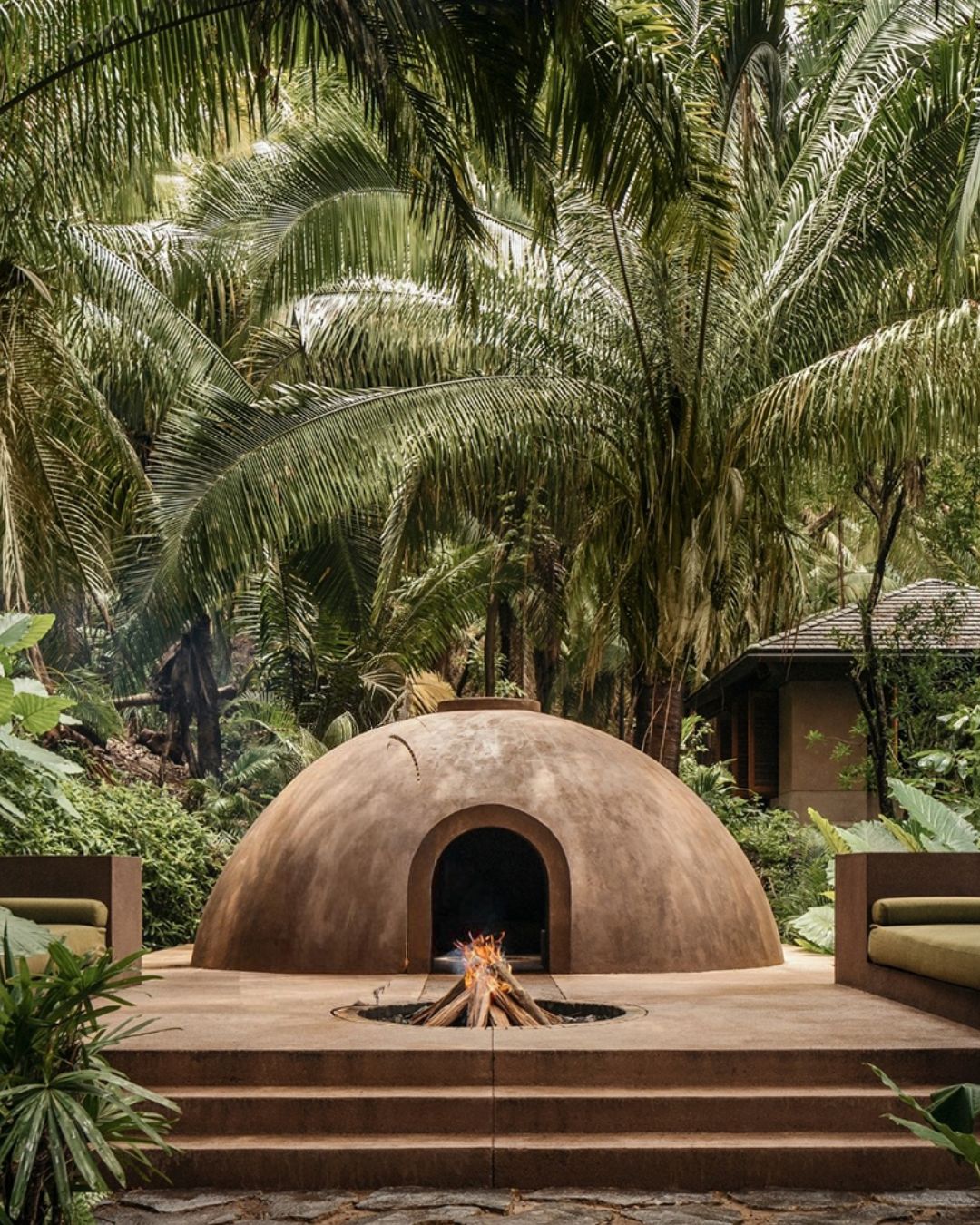
Volcanic basalt, hand-poured concrete, stone, and ceramic finishes can all work well when specified correctly. The structure is often dome-shaped or igloo-like, with a low entrance.
That low entrance matters. It asks the participant to enter with humility. This is part of the ritual, not a design problem to remove.
The interior should resist repeated cycles of heat and moisture. Sealed stone, fired ceramic, and polished concrete can perform well when properly detailed.
In the Baja context, a basalt or concrete temazcal placed low in the desert landscape can create a powerful architectural presence. It should feel intentional, quiet, and connected to the land.
Scale and ceremony
A temazcal for an ultra-low-density resort should usually be designed for four to twelve participants.
The experience is communal and guided. A temazcalero or ceremony leader controls the heat cycles, introduces herbs, and leads the ritual.
The design should support that role.
The space needs acoustic intimacy. It also needs a preparation area for the heated stones, a safe circulation route, and a cooling and rehydration area outside the entrance.
The strongest temazcal experiences are not overdesigned. They do not need excessive branding or decorative layers. The power comes from stone, heat, herbs, silence, and ceremony.
Integration with the spa circuit
The temazcal should be connected to the spa, but not treated as a casual thermal amenity.
It should remain a ceremonial experience.
The sequence after the temazcal is also important. Guests often move from intense heat to an outdoor shower, a cold plunge, rehydration, and rest.
This transition should be designed as a spatial narrative. It should not feel like a set of disconnected elements.
In Baja, the post-ceremony space can be especially powerful. A shaded outdoor area facing the sea, desert, or mountains can extend the emotional impact of the ritual.
4. The standard that defines a best-in-class luxury spa
Guests who choose ultra-low-density luxury resorts in Baja California usually have a global reference point.
They have stayed in exceptional hotels. They have experienced high-level spas in Asia, Europe, the Middle East, and the Caribbean. They understand quality immediately.
For developers and hotel brands, this guest profile becomes the real design brief.
Every detail matters.
The floor temperature matters. The sound of the HVAC system matters. The silence of the treatment room matters. The texture of the towels matters. The timing between heat, cold, and rest matters.
What luxury guests notice
Luxury guests notice when a spa has been designed with intention.
They notice whether transitions feel calm or improvised. They notice whether a sauna, cold plunge, or steam room actually works as a sequence. They notice whether materials feel connected to the location.
They also notice authenticity.
A temazcal that feels like a decorative feature will not create the same response as one designed with cultural respect and operational precision.
The best luxury spa environments do not simply look good in photographs. They work beautifully during daily operation. They support staff workflows. They protect guest privacy. They maintain comfort, silence, and sensory coherence.
That is the standard luxury resort spa Mexico projects must meet.
5. Working with architects and developers at this level
Spa design for ultra-luxury resorts requires specialized knowledge.
It sits between architecture, engineering, wellness programming, cultural sensitivity, and hotel operations. This is why the spa specialist should be involved early in the project.
When the spa team enters too late, key decisions may already be closed. That can create problems with waterproofing, humidity control, acoustic separation, HVAC systems, drainage, treatment room dimensions, and guest circulation.
Early collaboration prevents expensive corrections.
It also allows the spa to support the broader architectural concept instead of being forced into leftover space.
In Baja and the Sea of Cortez region, where resort architecture is becoming increasingly ambitious, this specialist layer is essential. The spa must be technically precise and emotionally aligned with the project vision.
6. What Freixanet Wellness brings to projects of this level
Freixanet Wellness has designed and built spa facilities for luxury hotels and resorts for more than fifty years.
Our work includes projects across Mexico, Spain, Costa Rica, the Dominican Republic, Jamaica, Uruguay, and Argentina. This international experience allows us to understand the standards expected by luxury hospitality brands, resort developers, and wellness operators.
Our project experience includes hospitality and wellness environments such as Almare Marriott Isla Mujeres, Waldorf Astoria Costa Rica, Impression Isla Mujeres, and St. Regis Costa Mujeres.
This work has shown us the difference between a spa that looks beautiful and a spa that performs at the level the brand promises.
In the context of Baja California and the Sea of Cortez, Freixanet Wellness brings expertise in:
- Material selection for desert-coastal environments.
- Spa programming for intimate luxury resorts.
- Thermal circuits for low-density hospitality.
- Contemporary temazcal design.
- Technical coordination with architects and developers.
- Construction and equipment integration for premium wellness spaces.
Luxury spa design in Baja California Mexico requires this type of specialized approach. It is not only about creating a beautiful spa. It is about creating a wellness environment that can operate, endure, and become part of the destination’s identity.
Start the conversation about your project
If you are developing a luxury resort, boutique hotel, or branded residential community in Baja California or elsewhere in Mexico, the spa can become one of the most important elements of the guest experience.
Freixanet Wellness works with developers, architects, and hospitality brands from the earliest stages of programming through project delivery.
We bring more than fifty years of specialized experience in spa design and construction for luxury hospitality, with direct knowledge of what demanding guests expect from a world-class wellness environment.
Start the conversation about your project